July 6, 2026 · 6 min read
One is a hard cement coat. The other is a layered synthetic system with foam inside. Here's how they stack up for an Arizona home.
What traditional stucco is
Traditional stucco is a cement-based coat. It goes on in three layers over lath and a moisture barrier.
It's hard, heavy and proven. Crews have used it on desert homes for a hundred years.
The trade-off is that plain stucco has no insulation. It also cracks over time as a home settles and the heat works the wall.
What EIFS is
EIFS stands for Exterior Insulation and Finish System. It's a synthetic stucco built in layers, not one hard coat.
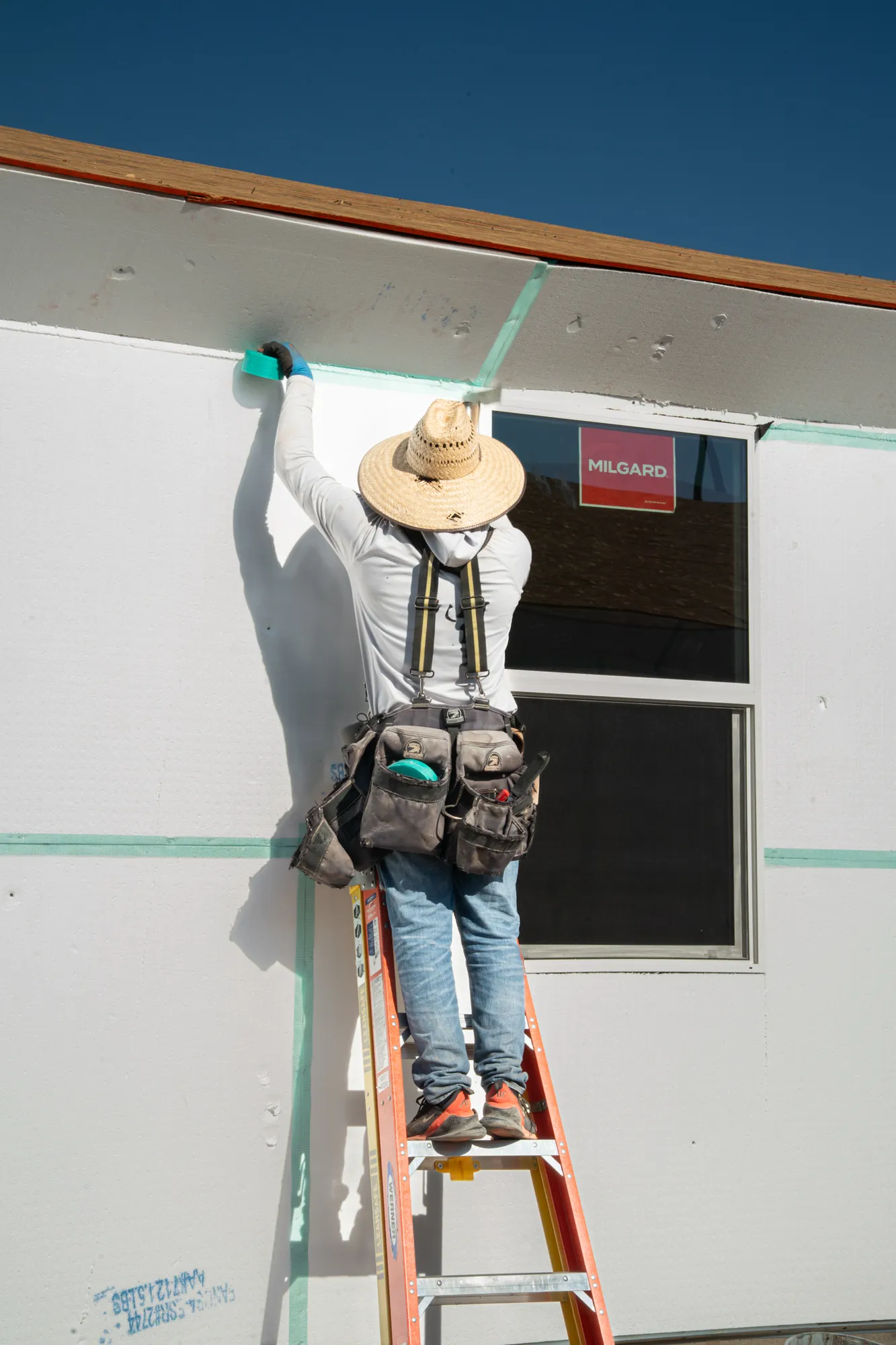
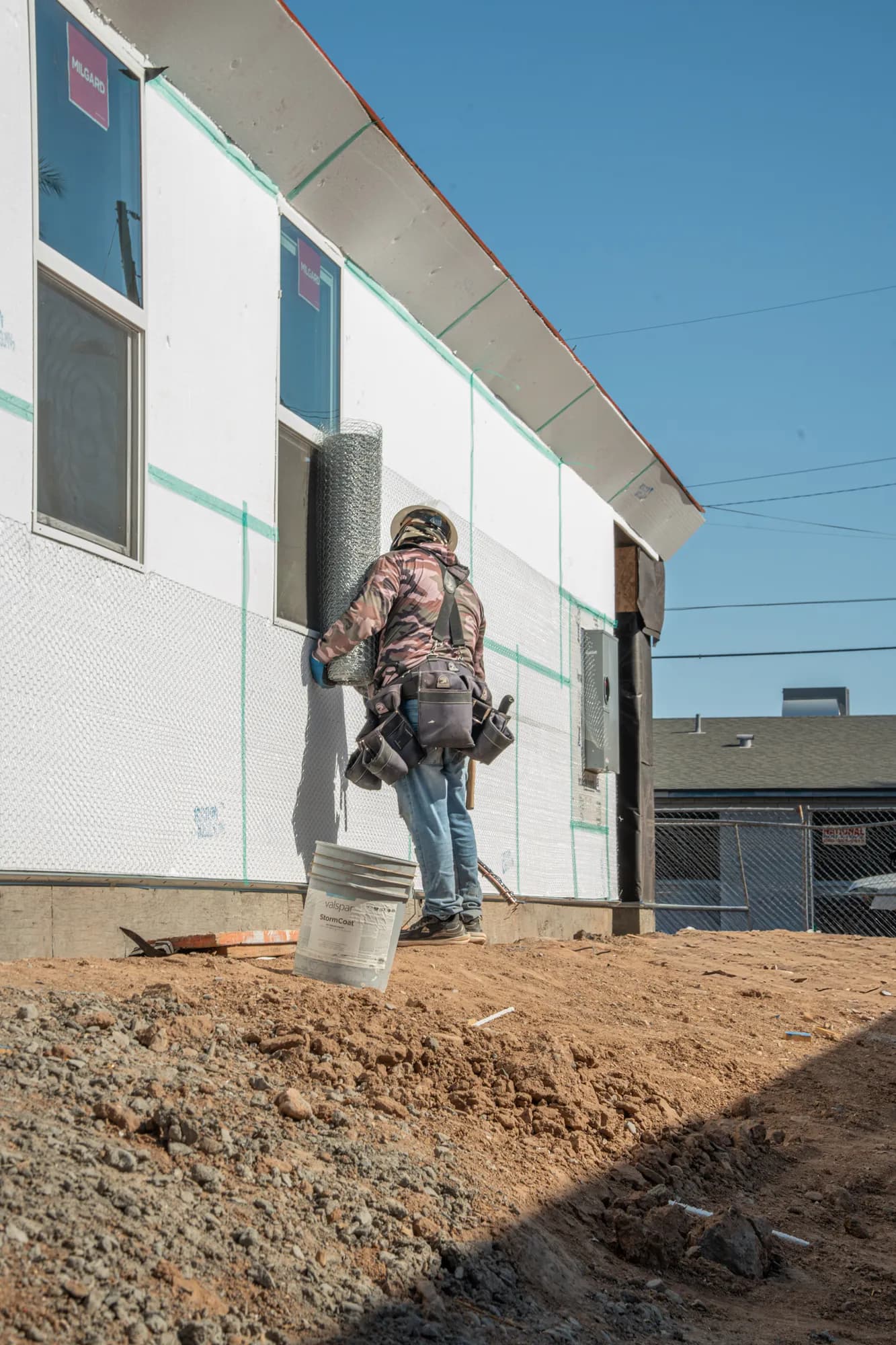
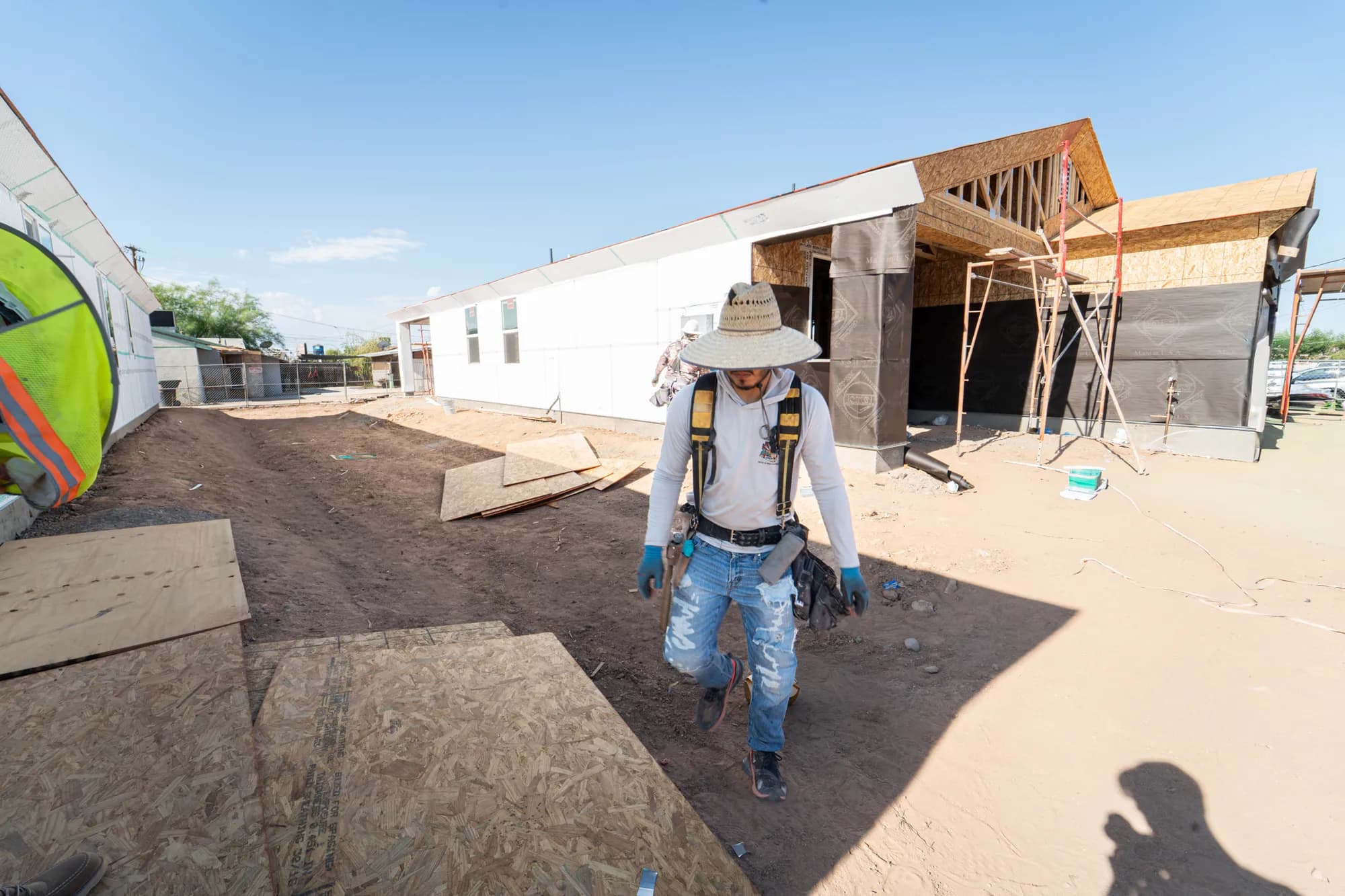
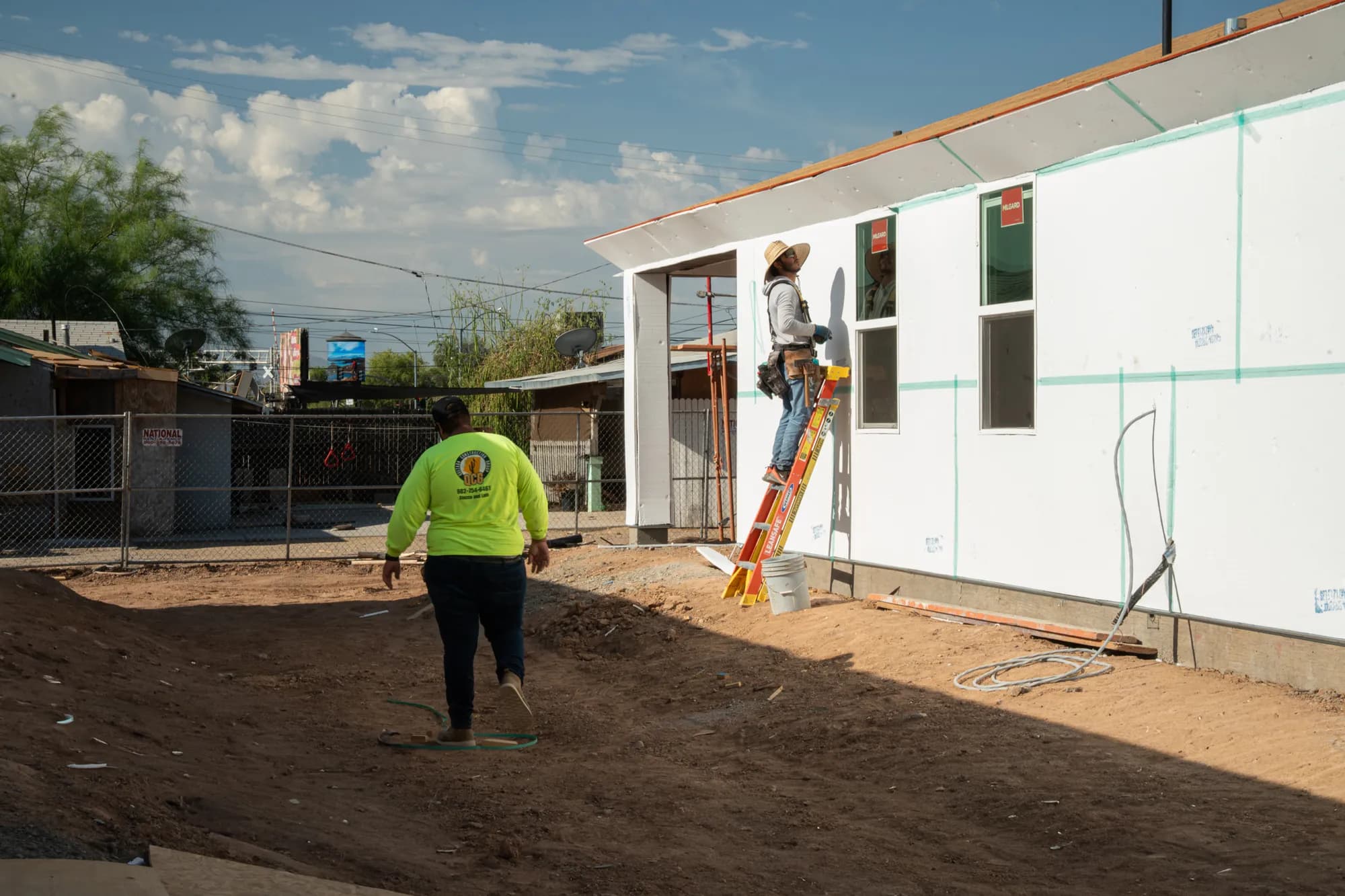
A foam insulation board sits against the wall. Over it go a base coat, a reinforcing mesh and a flexible acrylic finish.
Modern EIFS also has a drainage layer behind the foam. That gives any water a way out, which matters in monsoon season.
How they compare
Here's where the two finishes differ most for a home in the Valley.
- Insulation. EIFS wraps the wall in foam. Traditional stucco adds none.
- Energy use. The EIFS trade group EIMA reports the system can cut air leakage by up to 55 percent, so your AC works less.
- Cracking. The flexible EIFS finish resists cracks better than a hard cement coat.
- Weight. EIFS is far lighter, which puts less load on the structure.
- Shapes. EIFS foam can be carved into trim, arches and bands. Cement stucco cannot.
- Upfront cost. Traditional stucco usually costs less to install than EIFS.
- Impact. Hard cement stucco shrugs off knocks that can dent a foam wall.
Which one is right for your home
There's no single winner. The right pick depends on your goals and your budget.
Want lower cooling bills and custom shapes? EIFS is usually the stronger choice, and it's the system we specialize in.
Want the lowest upfront price and a hard, classic coat? Traditional stucco still makes sense.
Not sure which fits? We'll walk your home, talk through both, and give you a free estimate for each.
Either way, you get a licensed crew. We hold Arizona ROC #336509 for stucco and lath and #349457 for drywall.